

You follow the recipe, add the herbs it calls for, and the result still tastes strangely muted. The problem is rarely the recipe.
1. The Problem: Herbs in the Pantry, Bland Food on the Plate
Most home cooks own a handful of herbs and treat them as interchangeable green confetti.
The result is inconsistent. Some meals taste vivid, others taste like nothing at all. The difference comes down to understanding what each herb does, when it releases its aroma, and how long it stays potent. The Cooking Herbs collection is a useful place to see how a well-rounded range is organized, from everyday staples to more specialized options.
2. Why Herbs Underperform: Four Common Causes
Before changing your cooking, identify which of these four issues is behind the flat flavor.
Age. Dried herbs lose aroma gradually. A jar that has sat open beside the stove for two years has little left to give, no matter how much you add.
Wrong timing. Delicate leaves such as basil and cilantro lose their fragrance quickly under heat. Woody herbs such as rosemary need time to soften and release their oils. Reversing these roles wastes both.
No fat or moisture. Herb aroma compounds dissolve in oil and are released in warm liquid. Dry herbs scattered onto a dry surface often stay inert.
Poor pairing. A strong herb can overpower a mild ingredient, while a gentle herb disappears against a bold sauce.
3. Know Your Herb Families Before You Cook
Sorting herbs into two simple groups makes almost every cooking decision easier.
Hardy (woody) herbs
Rosemary, thyme, oregano, sage and bay leaf have sturdy leaves and concentrated oils.
Tender (soft) herbs
Basil, parsley, cilantro, dill, chives and mint have delicate leaves and bright, volatile aromas.
Some herbs sit in between. Tarragon and marjoram can handle brief cooking, but still reward a late addition.
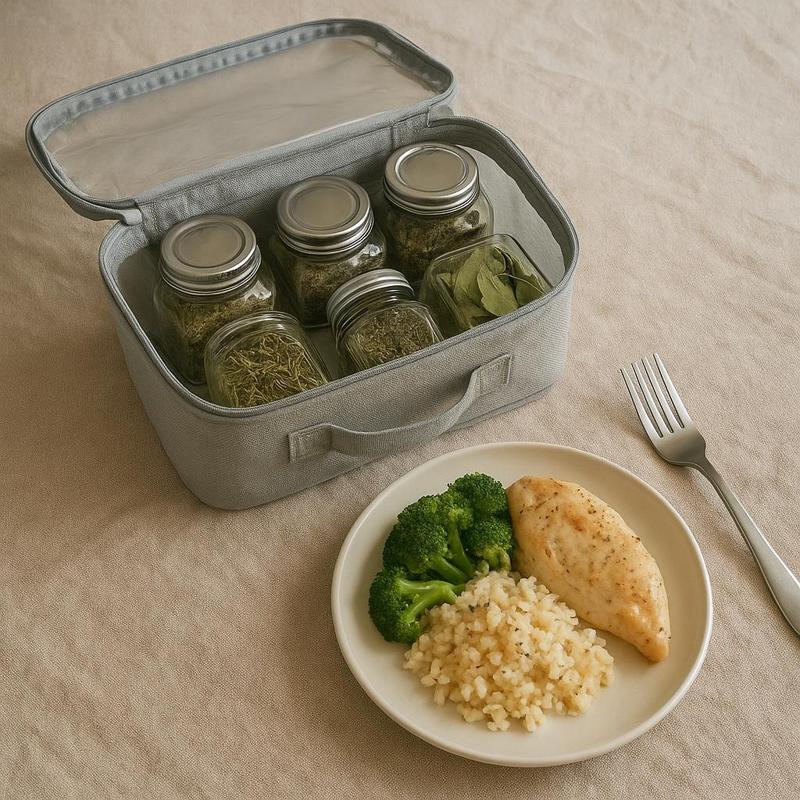
4. When to Add Herbs: A Timing Framework
Timing is the single biggest lever you control. Use this three-stage approach.
At the start
Add hardy herbs, whole or lightly bruised, to the pot early.
In the middle
Stir dried ground or crumbled herbs into warm oil or sautéed onions for about thirty seconds before adding liquid.
At the end
Fold in chopped tender herbs just before serving, or scatter them over the plate. Their freshness is the point, so protect it.
A useful rule: the longer the cooking time, the sturdier the herb. A fast pan sauce wants tender herbs.
5. Pairing Herbs with Proteins, Vegetables and Grains
Classic pairings exist because they work. Use them as a starting point, then experiment.
- Chicken: thyme, tarragon, parsley and sage suit roasted or pan-cooked chicken.
- Beef and lamb: rosemary, oregano and bay leaf stand up to richer meats.
- Fish and seafood: dill, chives, parsley and lemon-friendly herbs keep things light.
- Tomato dishes: basil, oregano and marjoram bring out sweetness and depth.
- Root vegetables and potatoes: rosemary, thyme and sage roast beautifully.
- Rice, grains and legumes: bay leaf, parsley, cilantro and mint add freshness.
If you are building a dish around a sauce, it helps to think of herbs and sauce as partners rather than competitors. Browsing Cooking Sauces alongside your herb selection can help you plan combinations that complement rather than clash.
6. How Much to Use: Ratios and Conversions
Over-seasoning with herbs is as common as under-seasoning, particularly with potent options like rosemary and sage.
Dried herbs are more concentrated than fresh. A common conversion is one part dried to roughly three parts fresh.
For a pot of soup or sauce serving four, begin with a modest amount of dried hardy herbs, taste after ten minutes of simmering, and adjust.
Tasting is the real measurement. Herbs bloom over time, so season lightly early, correct near the end, and keep notes on amounts you liked.
7. Storing Herbs So They Keep Their Character
Good storage protects your investment and keeps flavor consistent from the first use to the last.
Dried herbs
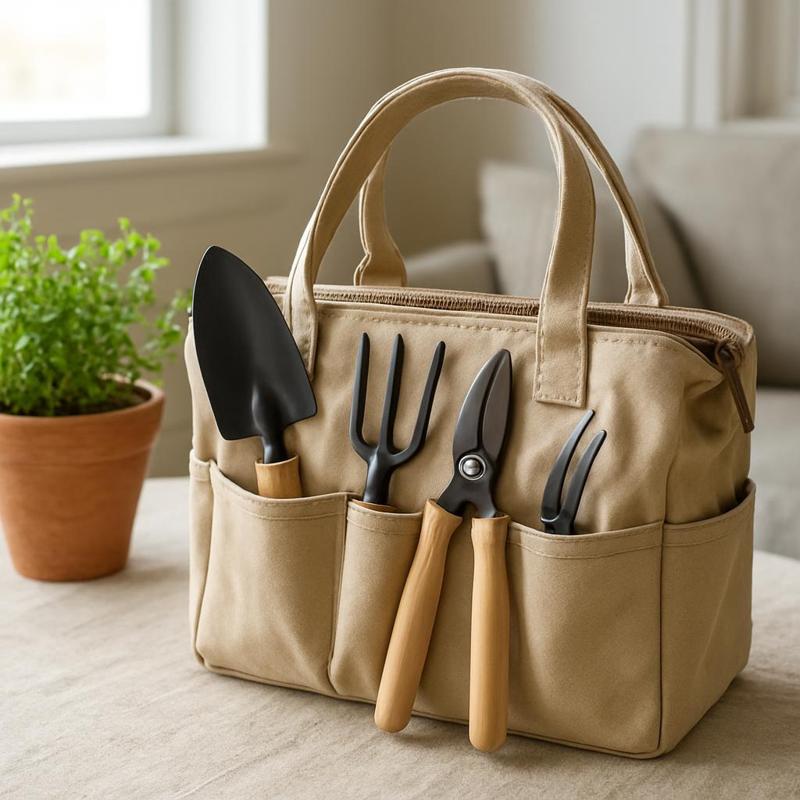
Heat, light, air and moisture are the enemies. Keep jars tightly closed, away from the stove and out of direct sun. A cool cabinet or drawer works well. Whole leaves hold aroma longer than finely ground ones, so crush them only when you cook. Practical containers and compartments from the Kitchen Storage & Organization range can make a herb shelf easier to keep tidy and visible.
Fresh herbs
Treat soft herbs like cut flowers. Trim the stems, stand them in a little water, loosely cover the leaves, and refrigerate.
How to tell when dried herbs are done
Rub a small amount between your fingers and smell it. If the aroma is faint or dusty, the herb has little left to offer.
For measuring and chopping, dependable tools from Kitchen Hand Tools such as sharp scissors, knives and small spoons help you handle herbs cleanly and consistently.
8. Pre-Purchase Checklist and Quick Reference Table
Before choosing herbs, run through these questions.
- What do I cook most often: roasts and stews, quick sautés, or fresh salads?
- Do I have a mix of hardy and tender options?
- Is the packaging airtight and opaque or tinted to limit light?
- Will I use it within a year or so, while it is still aromatic?
- Do I have space to store it away from heat and moisture?
Use this quick reference when planning a meal.
| Herb type | Examples | Best timing | Good for |
|---|---|---|---|
| Hardy | Rosemary, thyme, sage, bay leaf | Early in cooking | Roasts, braises, stews, stocks |
| Mid-range | Oregano, marjoram, tarragon | Middle or end | Sauces, grilled foods, dressings |
| Tender | Basil, parsley, cilantro, dill, chives, mint | End of cooking or raw | Salads, finishing, fish, soups |
| Dried blends | Mixed seasonings | Bloom in oil first | Everyday seasoning, marinades |
If you are setting up or refreshing a whole kitchen, you can also explore the full range at Homivo for supporting tools that make everyday cooking smoother.
9. Summary: A Simple Herb Routine
Flat-tasting food usually traces back to stale herbs, poor timing, missing fat, or mismatched pairings.
- Sort herbs into hardy and tender, and cook them accordingly.
- Add hardy herbs early, bloom dried herbs in warm oil, and finish with tender herbs.
- Start with small amounts, taste often, and use the one-to-three dried-to-fresh rule.
- Store dried herbs away from heat and light, and replace them when the aroma fades.
With these habits, a modest collection of herbs can bring variety and depth to everything from weeknight dinners to weekend roasts.