

Most people who buy craft supplies with enthusiasm are surprised by how quickly the box ends up in a closet.
1. Why Most New Hobbies Fade Within a Month
A new hobby usually begins with a burst of motivation and a large purchase.
Three patterns appear again and again:
- Too much, too soon. Buying a full kit for a skill you have not tried leaves you with clutter and guilt.
- High friction. If it takes twenty minutes to find, unpack and arrange supplies, a ten-minute session never happens.
- Unclear goals. Without a small, finishable project, progress feels invisible.
Understanding these causes lets you design around them instead of relying on motivation alone.
2. Match the Hobby to Your Real Life, Not Your Ideal One
Before choosing a craft, look honestly at your week.
Use these filters to narrow the field:
- Session length. Drawing, lettering and small-format painting suit fifteen-minute sessions. Model building or large weaving projects need longer, uninterrupted blocks.
- Mess level. Pencil, paper and dry media are easy to pause. Wet media, glue-heavy crafts and fine-detail work usually need a dedicated surface.
- Portability. If your time comes in waiting rooms or on the sofa, choose crafts that fit in a small pouch.
- Learning curve. Pick something where a beginner can produce a result they are not embarrassed by within the first few sessions.
A good match matters more than a prestigious choice.
3. Build a Starter Setup Around Three Questions
You do not need a complete studio.
What is the smallest set that lets me finish one project? List only what that project requires. Resist add-ons until you have run out of something you actually used.
Which items affect the experience most? In most crafts, a few tools matter more than the rest: a comfortable grip, a surface that does not slip, good light. Spend attention there and keep everything else basic.
Can I store and retrieve it in under two minutes? If not, the setup is too complicated. Open the collection of Hobbies & Creative Arts supplies with this question in mind and favor items that stack, nest or pack together.
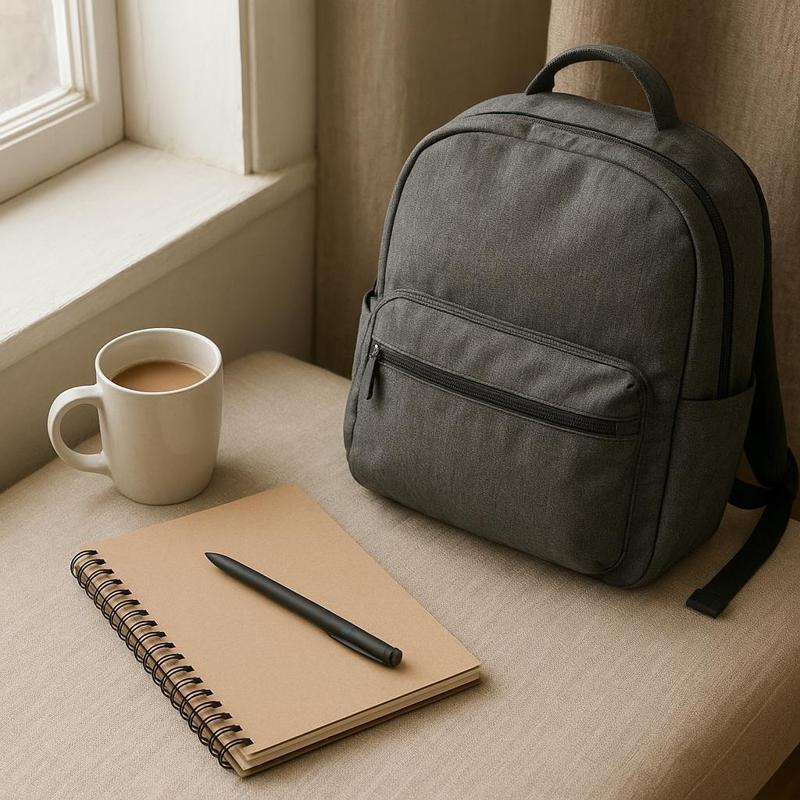
A simple starter checklist:
- One project, with everything needed to complete it
- A work surface or mat you can protect
- A single container for all supplies
- A basic cleanup routine, such as a cloth and a small bin
4. Set Up a Small, Always-Ready Creative Space
Friction is the quiet enemy of any hobby.
It does not need to be a room.
Practical ways to organize the space:
- Group by project, not by item type. A tray or box per project means you pick up one thing and begin.
- Keep frequently used tools at hand height. Store rarely used items higher or lower.
- Use open containers for daily tools. Lids add a step you will eventually skip.
- Light the work area well. Eye strain is a common reason people stop doing detailed work.
If your creative corner shares a table with meals, consider washable protective covering and a tray that can be lifted away in one move. Storage pieces from Kitchen Storage & Organization often work well for craft supplies too, since small bins, baskets and caddies solve the same problem of keeping loose items tidy and visible.
5. Care for Your Supplies So They Stay Usable
Creative materials are surprisingly vulnerable to neglect.
Protect against moisture and heat. Paper warps, adhesives fail and metal tools rust when stored in damp or hot places. Keep supplies in a dry, temperature-stable spot, away from direct sunlight.
Close and clean after each session. Cap pens and markers firmly, wipe tools before putting them away and seal containers. Most wasted supplies are the result of being left open overnight.
Store flat or upright as the material requires. Brushes and similar tools last longer when stored so the working end is not pressed against anything. Paper and card stay flatter in a shallow box or folder.
Separate by hazard and fragility. Keep sharp tools, small parts and strongly scented materials apart from everyday items. If you have children or pets at home, a closed container on a high shelf is a sensible default.
Do a short seasonal check. Every few months, remove anything dried out, broken or never used. A smaller, working kit is more inviting than a crowded one.
6. Keep the Habit Going: Small Sessions and Honest Reviews
Consistency comes from making the next session easy and rewarding, not from willpower.
Tie the habit to an existing routine. Anchor it to something you already do, such as the first cup of tea in the evening or the quiet hour after dinner. A habit with a trigger survives busy weeks better than one that depends on spare time.
Plan small, finishable projects. A project that takes three sessions gives a sense of completion that a vague "practice" never will. Finished pieces also make progress visible.
Stop while it is still pleasant. Ending a session with a clear next step, such as a half-drawn line or a prepared surface, makes starting again easier.
Review honestly every month. Ask which supplies you reached for, which you ignored and what slowed you down. Adjust the setup rather than blaming yourself. If a craft no longer interests you, switching is not failure; it is information about what suits you.
Share it lightly. Making something as a gift or showing it to a friend adds a little accountability and pleasure without turning the hobby into an obligation.
If you are building a space where creative work shares room with family life, the wider range at Homivo offers practical organizing and everyday items that can support a tidy, welcoming workspace.
7. Quick Comparison and Summary
The table below summarizes how different creative styles tend to fit different lifestyles.
| Style | Typical session | Mess level | Portability | Best for |
|---|---|---|---|---|
| Sketching and lettering | 10–30 min | Low | High | Busy schedules |
| Painting | 30–90 min | Medium | Medium | Dedicated corner |
| Paper crafts | 20–60 min | Low–medium | High | Gifts and cards |
| Textile and yarn work | 15–60 min | Low | High | Evenings and travel |
| Model and detail work | 45+ min | Medium | Low | Longer free blocks |
To pull it together:
- Hobbies fade because of friction and unclear goals, not lack of talent.
- Choose a craft that fits your real schedule, space and tolerance for mess.
- Start with the smallest kit that lets you finish one project.
- Keep supplies visible, grouped by project and quick to reach.
- Care for materials with dry storage, tidy closing and a seasonal clear-out.
- Anchor sessions to an existing routine and review your setup monthly.
A creative habit does not require a big budget or a spare room.